Family Law Richard E. Young & Associates

Your Advisor on - Family Law | Trust Law | Bankruptcy Law | A Master Lawyer

Tag: divorce (page 1 of 7)

Co-Parenting in Orange County after an Uncontested Divorce

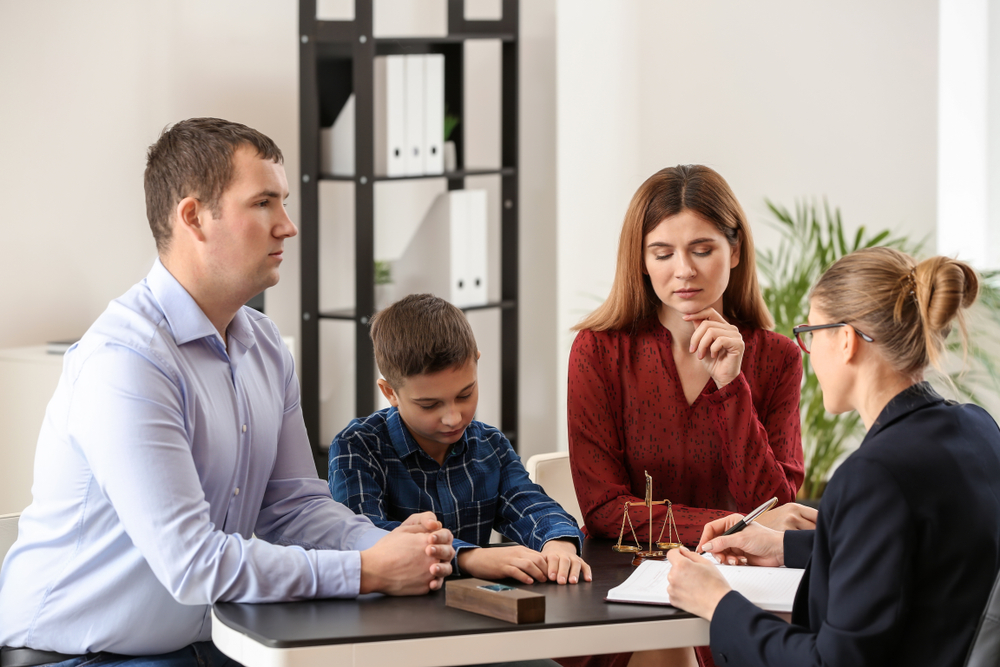
Divorce is never easy, even when uncontested. While an uncontested divorce may simplify the legal process, it does not eliminate the challenges of co-parenting. Parents in Orange County often find that creating a healthy environment for their children requires careful planning and a commitment to putting the children first. This month’s blog sheds light on the key aspects of co-parenting after an uncontested divorce, which can help families transition more smoothly.

Establishing a Co-Parenting Plan

After a divorce is finalized, the first step is often creating a detailed co-parenting plan. Even in uncontested cases, it is crucial to outline the responsibilities of each parent. A thoughtfully drafted plan provides structure and reduces misunderstandings, which can protect both the children’s well-being and the parents’ peace of mind.

In Lake Forest and throughout Orange County, courts generally encourage parents to cooperate and maintain flexibility while respecting the terms of the divorce agreement.

Related: learn more about these tips for co-parenting after a divorce.

Communication Is Key

Effective co-parenting hinges on clear and respectful communication. Parents should discuss schedules, school activities, medical appointments, and any changes in the child’s needs promptly. Avoiding conflict and keeping discussions focused on the children helps foster a sense of stability and security.

Consistency and Stability for Children

Children thrive on consistency, and research from the NIH shows that they do best when rules are clear, predictable, and understandable. Maintaining consistent routines across both households can help minimize the stress and confusion that often accompany a divorce. This includes aligning bedtimes, homework expectations, and rules for screen time or chores.

Legal Considerations for Co-Parenting in Orange County

Even after an uncontested divorce, legal guidance can be essential. Modifications to custody agreements, child support adjustments, or disagreements about decision-making may arise. Consulting an experienced family law attorney ensures that any changes comply with California law and protect your parental rights.

Related: Learn more about the top mistakes to avoid in California child support cases here.

Get Support From an Experienced Orange County Family Law Attorney

Family Law Richard E. Young & Associates offers personalized guidance to ensure your co-parenting plan works for your family. Our family law team in Lake Forest, CA, can help you navigate complex situations, protect your children’s best interests, and maintain a stable home environment. Call (949) 951-9529 today to schedule a consultation and get expert advice on co-parenting after your divorce.

Why You Need a Lawyer for Divorce Mediation: A California Perspective

In California, divorce mediation involves a neutral third-party mediator helping spouses negotiate agreements on issues such as property division, child custody, and support. While mediation is often seen as less formal than litigation, having a knowledgeable divorce lawyer by your side is crucial. In this blog, we will explore four key reasons why retaining a lawyer for divorce mediation in California protects your rights and ensures a fair outcome under California Family Law and the California Family Code.

Understanding California Family Law and the Family Code

California’s divorce laws are complex and governed by the California Family Code. A skilled lawyer knows these statutes inside and out and can help you understand your legal rights and obligations. This knowledge is essential during mediation to ensure you don’t agree to terms that may not comply with California law or could harm your interests in the long run.

Protecting Your Interests in Property Division

California is a community property state, meaning most assets acquired during the marriage must be divided equally. A family law attorney can help identify community versus separate property, evaluate asset values, and negotiate a fair division, preventing costly mistakes that could arise from informal mediation agreements.

Navigating Child Custody and Support Issues

Mediation often involves sensitive matters like child custody and support. A lawyer can advise you on the best interests of the child standard upheld by the Superior Court of California, ensuring any agreement reflects your parental rights and responsibilities while complying with child support guidelines.

Reviewing and Drafting Legal Agreements

Mediated agreements become legally binding once approved by the court. A divorce lawyer will carefully review all settlement documents to avoid vague or unenforceable terms and can draft clear, comprehensive agreements that protect you now and in the future.

Related: Learn more about how alimony works in California here.

Conclusion

While divorce mediation in California offers a less adversarial path to resolving your divorce, having an experienced family law attorney ensures your rights under the California Family Code are protected throughout the process. If you’re considering mediation, contact Family Law Richard E. Young & Associates for expert guidance and compassionate support every step of the way. Call us at (949) 951-9529 or visit our website at richardeyoungattorney.net to schedule a consultation.

Is There an Automatic Divorce After a Long Separation?

When couples separate for years, it’s common to assume that the marriage may legally end on its own. But it won’t. One reason this confusion exists is due to California’s mandatory six-month waiting period, which applies after a divorce is filed – not during a separation. In this month’s blog, we will break down what the law really says.

Understanding California’s Six-Month Waiting Period

In a California Divorce, once the paperwork has been filed and properly served, a six-month period must pass before the court can legally terminate the marriage. This is a cooling-off period, meant to give both parties time to reconsider or resolve disputes.

However, this doesn’t mean the divorce is automatic after six months. You must still complete all legal requirements, including filing all necessary documents, finalizing a settlement or appearing in court, and receiving a final judgment of dissolution.

Legal Separation vs. Divorce: Know the Difference

A long separation often leads to confusion between legal separation and divorce. In California Divorce law, legal separation is a formal court process similar to divorce but without terminating the marriage. It allows couples to address issues like child custody, spousal support, and property division while staying legally married.

Choosing legal separation over divorce might be suitable for couples with tax benefits or health insurance considerations. However, unless the court grants a final judgment of dissolution, you are still legally bound as a married couple.

Why You Shouldn’t Stay Separated Indefinitely

Failing to take legal action after a long separation can create legal and financial risks:

  • Financial Entanglements: Shared debt or property may remain legally binding.
  • Legal Obligations: Spousal support rights may still exist.
  • Estate Confusion: Your spouse may have inheritance rights unless officially divorced.
  • Remarriage Limitations: You cannot remarry until the divorce is legally finalized.

For more on these legal implications, visit the California Department of Child Support Services, which outlines responsibilities that may continue during separation.

Family Law Richard E. Young & Associates Is Here To Help You

Don’t let confusion about separation delay your next steps. If you’ve been living apart and assumed the marriage ended on its own, it’s time to get clarity. Reach out to Family Law Richard E. Young & Associates at (949) 951-9529 to begin the legal process and protect your rights. Finalizing your divorce ensures peace of mind and a fresh start, and we’re here to help you!

Tips for Co-Parenting after a Divorce

​​Navigating co-parenting after a divorce presents numerous challenges, yet prioritizing the well-being of your children remains paramount. Effective co-parenting fosters a stable and supportive environment, essential for their emotional and psychological development. Implementing strategic approaches can significantly enhance the co-parenting experience for both parents and children.

1. Prioritize Open and Respectful Communication

Establishing clear and respectful communication channels with your co-parent is fundamental. Discuss schedules, school events, and any concerns regarding your children’s welfare. Utilizing co-parenting communication tools, such as dedicated apps, can facilitate organized and documented exchanges.

2. Develop a Consistent Parenting Plan

Consistency provides children with a sense of security. Collaborate to create a detailed parenting plan outlining custody arrangement, visitation schedules, and guidelines for decision-making. Adhering to this plan minimizes misunderstandings and sets clear expectations.

Related: Learn more about child custody and visitation laws in California here.

3. Maintain Respect and Professionalism

Treat your co-parent with courtesy and avoid derogatory remarks, especially in the presence of your children. Demonstrating mutual respect sets a positive example and reduces tension. Refrain from involving children in adult conflicts or using them as intermediaries.

4. Utilize Technology for Coordination

Leverage technological tools to streamline co-parenting responsibilities. Shared calendars and co-parenting apps can assist in tracking schedules, appointments, and important dates, ensuring both parents are informed and aligned.  

5. Seek Professional Support When Needed

Engaging with family therapists or counselors can provide valuable guidance in navigating co-parenting challenges. Professional support offers strategies to manage conflicts and improve collaboration, benefiting the entire family dynamic. ​

Conclusion

Effective co-parenting after divorce requires commitment, communication, and mutual respect. By implementing these strategies, parents can create a harmonious environment that prioritizes their children’s well-being, fostering resilience and stability during a transitional period. To employ our legal expertise on divorce and other family laws, please do not hesitate to book us a consultation at (949) 951-9529. Visit our website richardeyoungattorney.net to learn more about our legal support utilities.

Older posts